
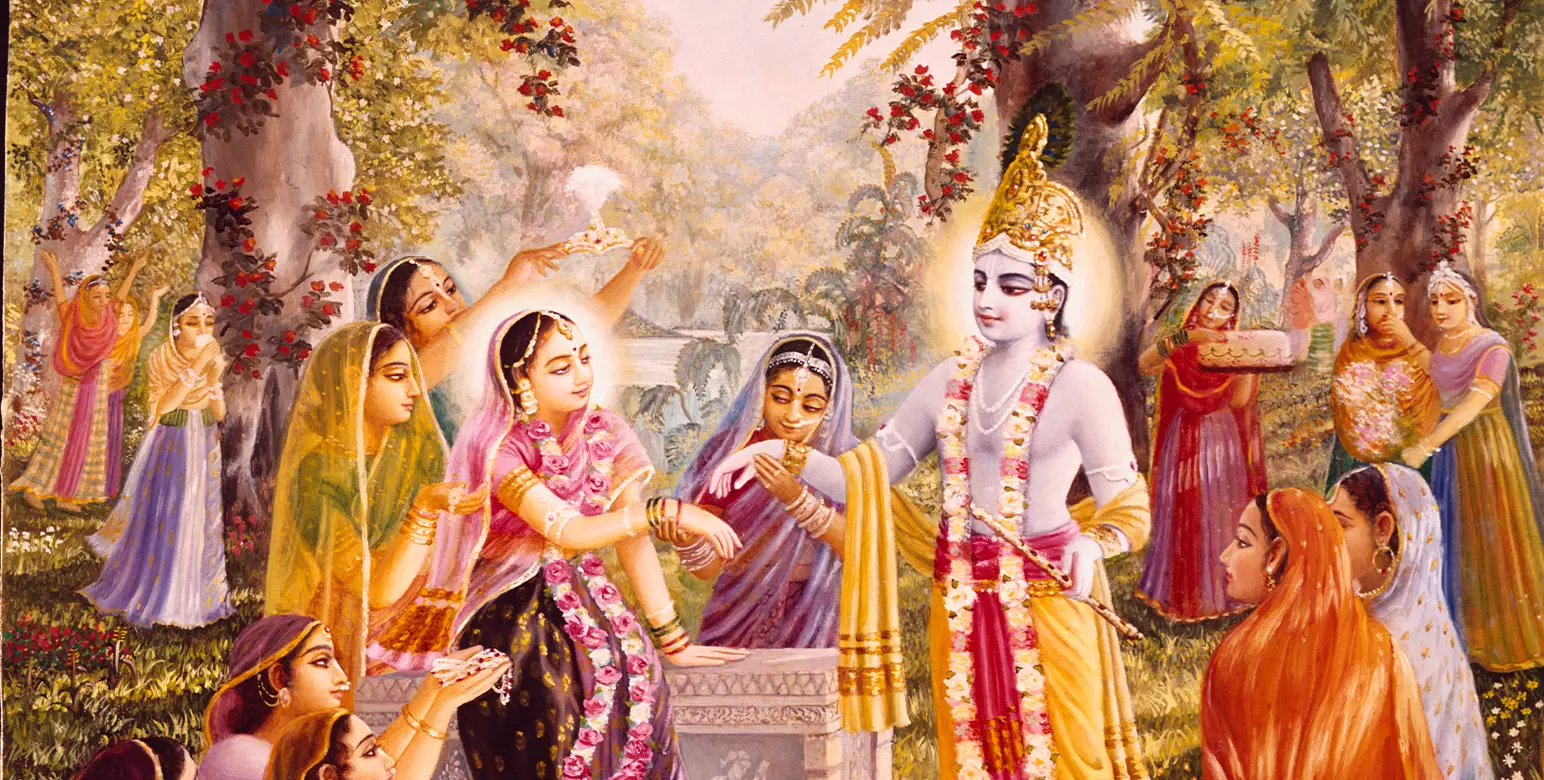
The Sacred Days of Deepavali
15 OCT, 2025
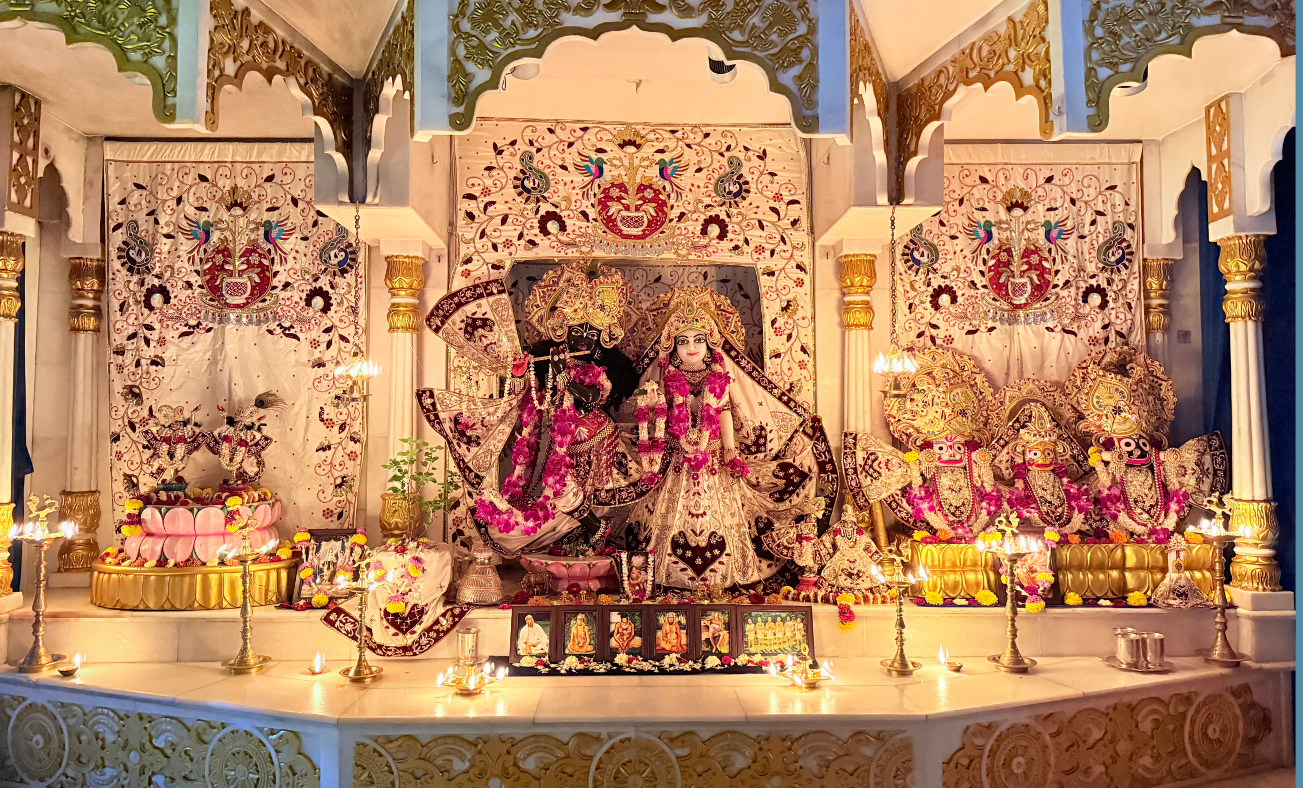
Deepavali, celebrated in the sacred month of Kartik, is one of India’s most iconic festivals, lasting nearly a week. Known as the Festival of Lights, it is marked by cities glowing with lights and decorations, especially in Ayodhya, where millions of diyas are lit along the Sarayu River to celebrate Lord Rama’s return. For families, it’s a time of joy, togetherness, and tradition, with homes filled with the aroma of sweets and new clothes being bought. Beyond the festivities, Deepavali has a deep spiritual significance, offering devotees a chance to reflect on the divine pastimes of the Lord and cultivate devotion, gratitude, and love for the Supreme.
1) Govatsa Dwadashi
The Deepavali celebrations begin on the 12th day of waning fortnight with Govatsa Dwadashi, also known as Nandini Vrata, the cow and calf are worshipped on this day. On this day, devotees honour the cow, the mother of humanity, whose blessings bring auspiciousness and prosperity. The divine cow Kamadhenu, later known as Nandini, appeared from the milk ocean during the Samudra Manthan. Remembering her divine origin, devotees pray for purity of heart and a life filled with peace and devotion.
2) Dhanatrayodashi (Dhanteras)
The 13th lunar day of waning fortnight is Dhanatrayodashi, celebrating the appearance of Lord Dhanvantari from the Samudra Manthan, holding a pot of nectar and the Ayurveda texts. Devotees worship Him for good health and wellbeing. People buy gold and silver during this time, as it is considered a highly auspicious period for such purchases, inviting prosperity.
3) Naraka Chaturdashi
Naraka Chaturdashi falls on the 14th day of waning fortnight. On this day, Krishna vanquished Narakasura (also called Bhaumasura), the son of Bhumi Devi (Mother Earth) and Lord Varahadeva. The demon had oppressed the world and imprisoned 16,100 princesses. Krishna, accompanied by Devi Satyabhama, freed them and restored dharma. After being freed, the princesses desired to marry Krishna, and the Lord fulfilled their desire.
4) Deepavali (Rama’s Return & Damodar Lila)
This is the central day of the festival, celebrated on Amavasya (the New Moon day), marking Lord Rama’s triumphant return to Ayodhya after defeating Ravana. Citizens lit countless lamps to welcome Him, symbolizing the victory of divine light over ignorance.
This day is also observed as the day of Damodar Lila throughout Vrindavan, in particular, at Ukhal Bandhan, where Mother Yashoda bound child Krishna with ropes in maternal love. Despite her efforts, the rope was always two fingers short until Krishna, moved by love, allowed Himself to be tied. Devotees visit Ukhal Bandhan in Kartik month to offer lamps and remember this sweet pastime of binding the Lord by love.
5) Govardhan Puja
The Vrajavasis prepared to worship Indra, but Krishna guided them to worship Govardhan Hill—which provides for all creatures. In anger, Indra unleashed torrential rains. To protect his devotees, Krishna lifted Govardhan Hill on His little finger, sheltering everyone beneath. Indra humbled himself and surrendered. Till today, devotees perform parikrama (circumambulation) of Govardhan and offer food (Annakut) in remembrance of this divine protection, on the Pratipada (first day) of the waxing moon.
6) Bhaidooj (Yama Dwitiya)
The Dvitiya (second day) of the waxing moon celebrates the bond between siblings. Lord Yama, the god of death, visited his sister Yamuna, and she joyfully welcomed him with tilak and special food at the sacred spot near Vishram Ghat, which later became the Shri Yamunaji-Dharmaraj Temple. This day is also called Yama Dwitiya, and the temple now stands as a place where brothers and sisters continue to visit, celebrating their bond in devotion.
This multi-day celebration offers a beautiful opportunity to remember the pastimes of the Lord and reflect on His mercy and love. Let us offer our prayers, chant His holy names, light lamps, and serve with devotions. By remembering His pastimes and following His instructions, we can fill our hearts with the divine bliss.
This Deepavali, let your offering bring light and devotion to many hearts. Please visit: https://www.iskconbhiwandi.org/kartik